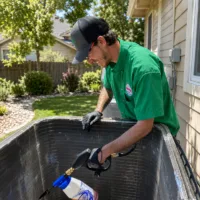

Sprinkler Blowout & Winterization in Denver: Protect Your Irrigation System Before Freezing Temperatures Arrive

Colorado homeowners know how quickly the weather can change. One day, temperatures are warm and sunny. The next, an overnight freeze can put your home’s outdoor plumbing and irrigation system at risk.
As fall arrives across the Denver Metro and Colorado Front Range, preparing your sprinkler system for winter is an important part of protecting your home and landscaping investment.
Professional sprinkler blowout and winterization services help protect irrigation pipes, valves, sprinkler heads, and other components from freezing temperatures and potentially costly damage.
Cooper Heating & Cooling, your Cooper Green Team, provides professional sprinkler blowout services to help Denver-area homeowners prepare for Colorado’s colder months.
What Is a Sprinkler Blowout?
A sprinkler blowout, also called sprinkler winterization, removes water from an irrigation system before freezing temperatures arrive.
Even after you turn off your sprinkler system, water can remain trapped in underground pipes, valves, sprinkler heads, and other irrigation components.
When temperatures drop below freezing, that water can freeze and expand, potentially cracking pipes, damaging fittings, and causing leaks.
Professional sprinkler blowout services use compressed air to clear water from irrigation lines, helping reduce the risk of freeze-related damage.
Why Is Sprinkler Winterization Important in Denver?
Colorado’s unpredictable fall weather makes sprinkler winterization particularly important for Denver-area homeowners.
Warm afternoons can quickly give way to freezing overnight temperatures, and early-season cold snaps sometimes arrive before homeowners have completed their winter preparations.
Without proper winterization, water left inside an irrigation system can freeze and damage essential components.
Common problems associated with frozen sprinkler systems include:
- Cracked or broken underground irrigation pipes
- Damaged sprinkler heads and fittings
- Broken irrigation valves
- Water leaks when the system is restarted
- Unexpected repair expenses in the spring
- Damage to vulnerable irrigation components
Some damage may remain hidden through the winter and only become noticeable when you turn the system back on in the spring.
Scheduling sprinkler winterization before freezing weather arrives helps protect your irrigation system and avoid unnecessary repairs.
When Should You Schedule a Sprinkler Blowout in Denver?
The best time to schedule a sprinkler blowout in Denver is during the fall, before freezing temperatures arrive.
Many homeowners schedule sprinkler winterization in September or October, depending on weather conditions.
Because Colorado can experience sudden temperature drops, don’t wait until the first major snowstorm or prolonged freeze.
Scheduling early helps ensure your irrigation system is ready before winter weather becomes the norm.
If freezing temperatures are already forecast, take precautions to protect exposed irrigation components and schedule professional winterization as soon as possible.
What Happens During a Professional Sprinkler Blowout?
Professional sprinkler winterization involves carefully removing water from the irrigation system using equipment and procedures appropriate for its design.
While the process varies by property and irrigation equipment, it generally includes several steps.
Shutting Off the Water Supply
The technician shuts off the irrigation water supply to prevent additional water from entering the system.
Preparing the Irrigation System
The technician identifies the appropriate connection points and prepares the system for winterization.
Clearing the Sprinkler Lines
The technician introduces compressed air into the irrigation system to remove trapped water from individual sprinkler zones.
Proper equipment and air pressure help prevent damage to pipes, valves, and sprinkler heads.
Winterizing Vulnerable Components
The technician follows the appropriate procedures for the system’s valves and other components, including backflow prevention equipment where applicable.
Completing the Winterization
Once the system has been properly winterized, it remains shut down until it’s time to prepare the irrigation system for spring.
Because irrigation systems vary, professional winterization should follow procedures appropriate to the equipment installed at the property.
Can You Winterize Your Sprinkler System Yourself?
Some homeowners choose to winterize their own irrigation systems, but sprinkler blowouts require the right equipment and an understanding of how the system operates.
Using excessive air pressure, an improperly sized compressor, or an incorrect procedure can damage irrigation components.
Simply shutting off the water supply or turning off the sprinkler controller may also leave water trapped inside the system.
Professional sprinkler winterization provides a convenient way to prepare your irrigation system while reducing the risk of damage from improper techniques.
Homeowners who prefer to leave seasonal maintenance to experienced professionals can schedule a sprinkler blowout for added peace of mind.
What Happens If You Don’t Winterize Your Sprinkler System?
When water remains in irrigation pipes and components during freezing temperatures, it can expand and put pressure on surrounding materials.
Not every system will experience damage during a freeze, but trapped water increases the risk.
Potential consequences include underground pipe leaks, cracked sprinkler heads, damaged valves, and unexpected repair expenses.
Some problems may not become apparent until spring, when homeowners restart their irrigation systems and discover leaks or reduced performance.
A professional sprinkler blowout helps reduce these risks and protects your investment in your home’s landscaping and irrigation equipment.
Don’t Forget Your Outdoor Faucets and Garden Hoses
Sprinkler winterization is only one part of preparing your home’s outdoor plumbing for winter.
Before freezing temperatures arrive, homeowners should also:
- Disconnect garden hoses from outdoor faucets.
- Drain and store hoses for winter.
- Inspect outdoor faucets for leaks or damage.
- Protect exposed plumbing where appropriate.
- Prepare outdoor water connections for freezing conditions.
Leaving a garden hose connected to an outdoor faucet can trap water and increase the risk of freeze-related damage, even with certain frost-resistant hose bibs.
These simple preventive steps can help protect your home from costly plumbing problems during the colder months.
Why Choose Cooper Green Team for Sprinkler Winterization?
Since 1978, Cooper Heating & Cooling has helped homeowners throughout the Denver Metro and Colorado Front Range care for their homes and prepare for Colorado’s changing seasons.
As a locally owned, family- and veteran-owned company, we understand the importance of protecting your home and the investment you’ve made in it.
Our professional sprinkler blowout services help homeowners prepare their irrigation systems for freezing temperatures and reduce the risk of winter-related damage.
Because Cooper also provides heating, cooling, plumbing, electrical, and indoor air quality services, homeowners can rely on one trusted team for many essential home maintenance needs.
One Team. Every System.
Protect Your Sprinkler System Before Winter Arrives
Colorado winters can be unpredictable, but protecting your irrigation system doesn’t have to be complicated.
A professional sprinkler blowout helps protect underground pipes, valves, and sprinkler heads from freezing temperatures and potentially expensive repairs.
Don’t wait for the next freeze. Schedule your sprinkler winterization with the Cooper Green Team today.
Proudly serving Denver Metro homeowners since 1978.
"Definitely recommend."
—Edward | Lakewood HomeownerI found Cooper to be very professional as well as having the best price. They are larger than competitors and have staff that are dedicated to different aspects of projects. They are responsive and follow up when needed. I definitely recommend them.
Denver Sprinkler Blowout & Winterization FAQs
A sprinkler blowout removes water from an irrigation system using compressed air before freezing temperatures arrive. Also called sprinkler winterization, this service helps protect underground pipes, valves, sprinkler heads, and fittings from freeze-related damage.
Denver homeowners should schedule sprinkler winterization in the fall, before freezing temperatures arrive. September and October are common months for sprinkler blowouts, but the best timing depends on weather conditions. Scheduling early helps reduce the risk of damage from unexpected Colorado cold snaps.
Sprinkler winterization is strongly recommended for irrigation systems that can retain water in components exposed to freezing conditions. Colorado's winter temperatures can cause trapped water to freeze and expand, potentially damaging irrigation pipes, valves, fittings, and sprinkler heads.
No. Turning off your sprinkler controller or shutting off the irrigation water supply doesn't necessarily remove water trapped inside the system.
Proper winterization addresses remaining water in irrigation lines and other vulnerable components to help reduce the risk of freezing damage.
If water freezes inside your irrigation system, it can expand and damage pipes, sprinkler heads, valves, or fittings.
Some damage may not become apparent until the system is restarted in spring, potentially resulting in leaks, reduced performance, and unexpected repairs.
Homeowners with the right equipment and experience can winterize certain irrigation systems.
However, incorrect air pressure or improper procedures can damage irrigation components. Professional sprinkler blowout services help ensure the winterization process suits your system.
Yes. Disconnect garden hoses from outdoor faucets before freezing temperatures arrive.
Leaving a hose attached can trap water and increase the risk of freeze-related damage to outdoor plumbing. Drain and store hoses for winter, and protect exposed plumbing where appropriate.
Yes. Cooper Heating & Cooling, your Cooper Green Team, provides professional sprinkler blowout and winterization services for homeowners throughout its Denver Metro service area.
To schedule service, call 720-358-1515 or visit CooperGreenTeam.com.
